


Marketing textbook, chapter 1
Terminological and conceptual foundations of marketing → Product-specific features → Special features of non-profit marketing (section 1.3.5)
Please accept YouTube cookies to play this video. If you accept this, you will be accessing content from YouTube, a service provided by an external third party.
YouTube privacy policy
If you accept this notice, your choice will be saved and the page will be updated.
Please accept YouTube cookies to play this video. By accepting you will be accessing content from YouTube, a service provided by an external third party.
YouTube privacy policy
If you accept this notice, your choice will be saved and the page will refresh.
Some organs of the Catholic Church also engage in marketing by adapting their „products“ to the prevailing demand.
Demand customisation is when a company designs its products in such a way that they meet the prevailing demand (see section 6.1.3 „Product policy objectives“). This is done proactively when the company realises at an early stage that demand will change.
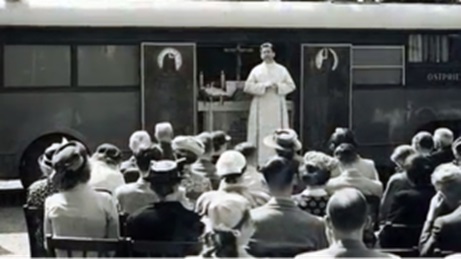
In the case of the Catholic Church, this is therefore a „product design“ measure in the context of non-profit marketing. According to the motto „If people (cannot) come to church, then the church comes to the people“, the organisation „Kirche in Not“ (Church in Need) invites people to pastoral conversations and confession in a VW bus converted into a confession vehicle. The need to turn to a trustworthy person with one's worries and needs is met here through the service of a conversation with a priest. With the mobile confessional, the aid organisation „Aid to the Church in Need“ is continuing the tradition of the „chapel vans“, with which the founder of the aid organisation ensured pastoral care for displaced Catholics after the Second World War by converting lorries into mobile churches. Later, floating churches were even built in Brazil and Russia so that the church could also reach people in hard-to-reach areas by water.



Additional material for the individual chapters:
3-2: Telecoms advertising - importance of mirror neurons for emotional reactions
3-4: Measuring implicit attitudes using the implicit association test (IAT)
3-6: Subjective perception: Are two tables identical or not?
3-7: The eye eats too: Visual perception influences our feeling of hunger
3-8: Febreze: Importance of habitualised decisions for marketing
4-2: Operationalisation and measurement of the environmental orientation of EU citizens
4-5: Screening questionnaire for the realisation of a predefined sample
4-6: Conception of an interview guide for a qualitative survey
4-7: Observation of individual eating behaviour in the „restaurant of the future“
4-8: Product positioning: Positioning a smartphone brand in the competitive environment
4-9: Testing the preference effect of smoothie properties using choice-based conjoint analysis
7-1: Kindle Fire - Influencing the perception of net benefit through advertising
7-2: Determining the optimal electricity tariff using choice-based conjoint analysis
7-4: Influencing perceived price favourability through umbrella pricing
7-7: High attractiveness of private financing and leasing offers for cars
8-1: Product positioning: Code analysis of the brand presence of two sparkling wine brands
8-12: Advertising impact analysis of digital communication tools
8-3: The power of megatrends and the future of safety and quality
8-5: Guerrilla communication: using a neo-Nazi march for a good cause
8-7: Integrated communication using the example of the Hypoxi brand
You are currently viewing a placeholder content from Instagram. To access the actual content, click the button below. Please note that doing so will share data with third-party providers.
More InformationYou are currently viewing a placeholder content from YouTube. To access the actual content, click the button below. Please note that doing so will share data with third-party providers.
More Information


Study Service Centre
+49 3631 420-222
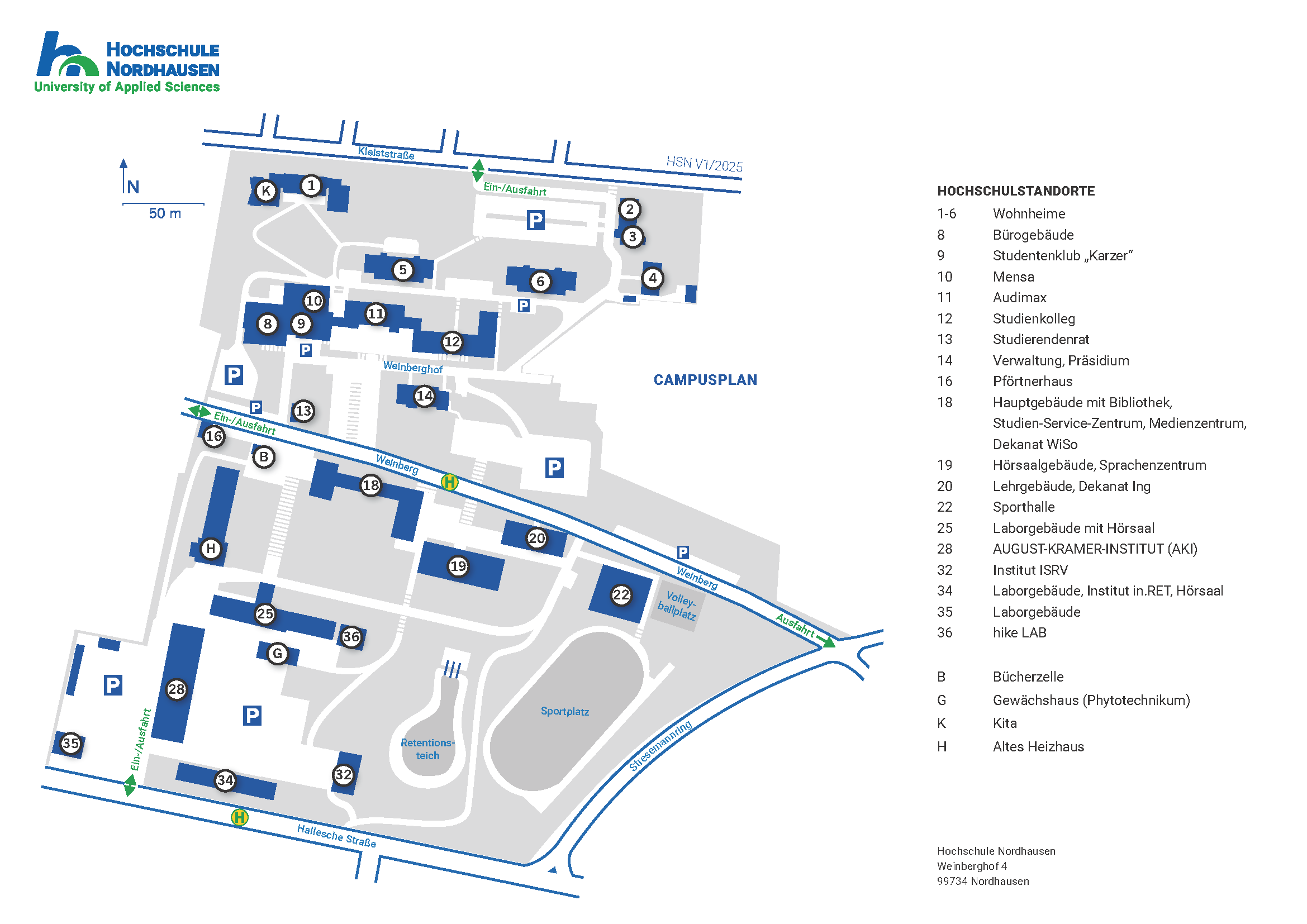
House 18, Level 1, Room 18.0105