


Marketing textbook, chapter 8
Communication policy → Fundamental aspects of communication policy → Framework conditions and current problems of communication policy (section 8.1.4)
Matthias Horx, Germany's best-known trend researcher from the Zukunftsinstitut, will give a very lively presentation on the importance of the megatrends of security and quality. He uses numerous examples to illustrate the impact of these trends on the communication strategies of companies and their innovation activities.
Researching trends as a basis for marketing decisions also plays a major role in all other marketing instruments in addition to communication policy. Trend research is a particularly important basis for planning product innovations (see section 6.5.2).
Trends are generally categorised into metatrends, megatrends, socio-cultural trends and consumer, product and industry trends. There is also talk of techno and cultural trends. Metatrends are „... long-term trends, so-called super-trends, which describe the fundamentals. Metatrends indicate changes that are far-reaching and lead to economic and social restructuring. Metatrends describe the fundamental climate in which everything else operates and is organised“ (Seefelder, 2012). Individual epochs such as modernity or postmodernity are cited as examples of this. Metatrends tend to play a subordinate role for companies' communication strategies, which are generally geared towards the short and medium term. Megatrends, consumer and industry trends are particularly relevant, so that only these are considered in more detail below.
The term „megatrend“ comes from John Naisbitt, who 25 years ago presented a picture of the future at the turn of the millennium in his book of the same name, which he described on the basis of 10 far-reaching developments (see Naisbitt, 1982). Megatrends are characterised as long-term and overarching transformation processes that have a comprehensive impact: „Their scope extends to all regions of the world. They bring about multidimensional upheavals in all social subsystems - political, social and economic. Their specific characteristics differ from region to region.“ (Z-punkt, 2012). Depending on the author, megatrends have a half-life of 10 to 20 years and „... they are defined by four parameters: social change (e.g. ageing society), economic change (e.g. ethical consumption), c) cultural change (e.g. healthstyle), d) technological change (e.g. private publishing)“ (Bathens, 2008). According to Horx et al., the megatrend „... often has a global character and also overcomes temporary interruptions in its development“ (Horx et al., 2007, p. 31). In contrast, consumer trends only have a half-life of 2 to 5 years. They describe short to medium-term changes in consumer behaviour. Typical examples of consumer trends are convenience, wellness, cocooning and hybrid purchasing behaviour. Industry trends characterise the effects of social and consumer trends within certain industries. They can be used to derive opportunities and risks for companies in individual sectors, which arise from the changing motives, attitudes and expectations of consumers in different areas of consumption.

Additional material for the individual chapters:
3-2: Telecoms advertising - importance of mirror neurons for emotional reactions
3-4: Measuring implicit attitudes using the implicit association test (IAT)
3-6: Subjective perception: Are two tables identical or not?
3-7: The eye eats too: Visual perception influences our feeling of hunger
3-8: Febreze: Importance of habitualised decisions for marketing
4-2: Operationalisation and measurement of the environmental orientation of EU citizens
4-5: Screening questionnaire for the realisation of a predefined sample
4-6: Conception of an interview guide for a qualitative survey
4-7: Observation of individual eating behaviour in the „restaurant of the future“
4-8: Product positioning: Positioning a smartphone brand in the competitive environment
4-9: Testing the preference effect of smoothie properties using choice-based conjoint analysis
7-1: Kindle Fire - Influencing the perception of net benefit through advertising
7-2: Determining the optimal electricity tariff using choice-based conjoint analysis
7-4: Influencing perceived price favourability through umbrella pricing
7-7: High attractiveness of private financing and leasing offers for cars
8-1: Product positioning: Code analysis of the brand presence of two sparkling wine brands
8-12: Advertising impact analysis of digital communication tools
8-3: The power of megatrends and the future of safety and quality
8-5: Guerrilla communication: using a neo-Nazi march for a good cause
8-7: Integrated communication using the example of the Hypoxi brand
You are currently viewing a placeholder content from Instagram. To access the actual content, click the button below. Please note that doing so will share data with third-party providers.
More InformationYou are currently viewing a placeholder content from YouTube. To access the actual content, click the button below. Please note that doing so will share data with third-party providers.
More Information


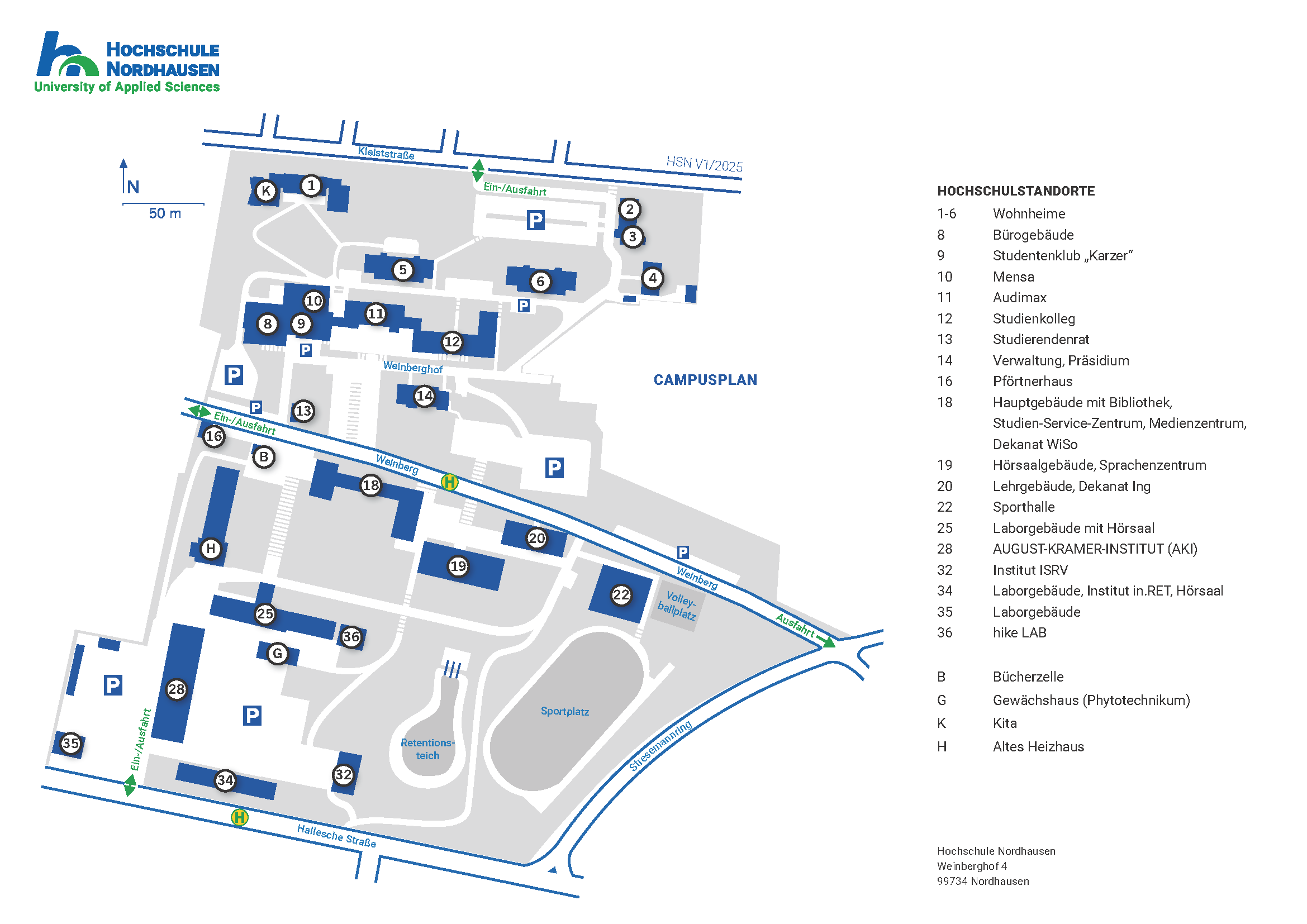
Study Service Centre
+49 3631 420-222
House 18, Level 1, Room 18.0105