


Marketing textbook, chapter 5, chapter 9
Marketing objectives and marketing strategies → Development of marketing strategies → Market stimulation strategies → Price-volume strategy (section 5.2.2)
Distribution policy → Acquisition-based distribution → Organs of indirect distribution (section 9.2.3.2)
The best-known and most popular discounters in Germany are still Aldi and Lidl, which pursue a consistent price-volume strategy. „Lidl is cheap“ - the discounter advertised with this slogan for many years. Now, however, Lidl no longer just wants to be cheap, but is placing the quality of its product range at the centre of its communication policy - a step in the direction of the preference strategy.
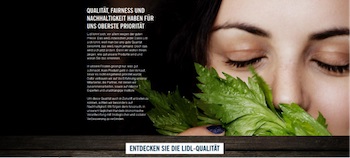
Narrow and flat product ranges, low-cost shop design, simple product presentation, self-service, extremely favourable prices, which are advertised primarily in the print media - these are the classic features of the price-quantity strategy in food retailing, with which discounters have been very successful for a long time. So what is behind Lidl's current communication policy offensive, which uses TV and radio adverts, print ads and the internet to proclaim that quality is Lidl's top priority?
„Lidl has undergone a major change process in recent years. This included expanding the product range - with a focus on the quality and variety of our own brands,“ says Christoph Pohl, who is responsible for purchasing on the Lidl management board. He adds: „In addition to good flavour, freshness is our top priority.“ Efficient distribution networks and a comprehensive quality assurance system are effective along the entire production and supply chain: „We now want to communicate this quality awareness to the outside world.“
Lidl's communication policy aims to convey what it considers quality to be in a way that customers can understand. Among other things, Lidl provides a wealth of information on its own website about relevant quality aspects of selected product ranges such as meat, bread, coffee, chocolate, fruit and vegetables and wine. For example, one commercial asks: „How can you recognise good chocolate?“ The answer: „You can recognise good chocolate by the best cocoa varieties and selected ingredients, the melting, the aroma and the crunch that appeals to all the senses. You can recognise good chocolate by its taste and price.“
Lidl's current quality offensive is aimed at creating genuine preferences for its own range and thus attacking traditional supermarkets such as Rewe, Edeka or tegut on the quality dimension. Johannes Berentzen, industry expert at the Wieselhuber management consultancy, speaks of a „trading up“ and points to a number of developments that a discounter would not have been expected to achieve in the past. For example, the visual upgrading of the shop design with an emotionally appealing presentation of the product ranges, but also the expansion of the product range into the delicatessen area or the expansion of the wine range.

Additional material for the individual chapters:
3-2: Telecoms advertising - importance of mirror neurons for emotional reactions
3-4: Measuring implicit attitudes using the implicit association test (IAT)
3-6: Subjective perception: Are two tables identical or not?
3-7: The eye eats too: Visual perception influences our feeling of hunger
3-8: Febreze: Importance of habitualised decisions for marketing
4-2: Operationalisation and measurement of the environmental orientation of EU citizens
4-5: Screening questionnaire for the realisation of a predefined sample
4-6: Conception of an interview guide for a qualitative survey
4-7: Observation of individual eating behaviour in the „restaurant of the future“
4-8: Product positioning: Positioning a smartphone brand in the competitive environment
4-9: Testing the preference effect of smoothie properties using choice-based conjoint analysis
7-1: Kindle Fire - Influencing the perception of net benefit through advertising
7-2: Determining the optimal electricity tariff using choice-based conjoint analysis
7-4: Influencing perceived price favourability through umbrella pricing
7-7: High attractiveness of private financing and leasing offers for cars
8-1: Product positioning: Code analysis of the brand presence of two sparkling wine brands
8-12: Advertising impact analysis of digital communication tools
8-3: The power of megatrends and the future of safety and quality
8-5: Guerrilla communication: using a neo-Nazi march for a good cause
8-7: Integrated communication using the example of the Hypoxi brand
You are currently viewing a placeholder content from Instagram. To access the actual content, click the button below. Please note that doing so will share data with third-party providers.
More InformationYou are currently viewing a placeholder content from YouTube. To access the actual content, click the button below. Please note that doing so will share data with third-party providers.
More Information


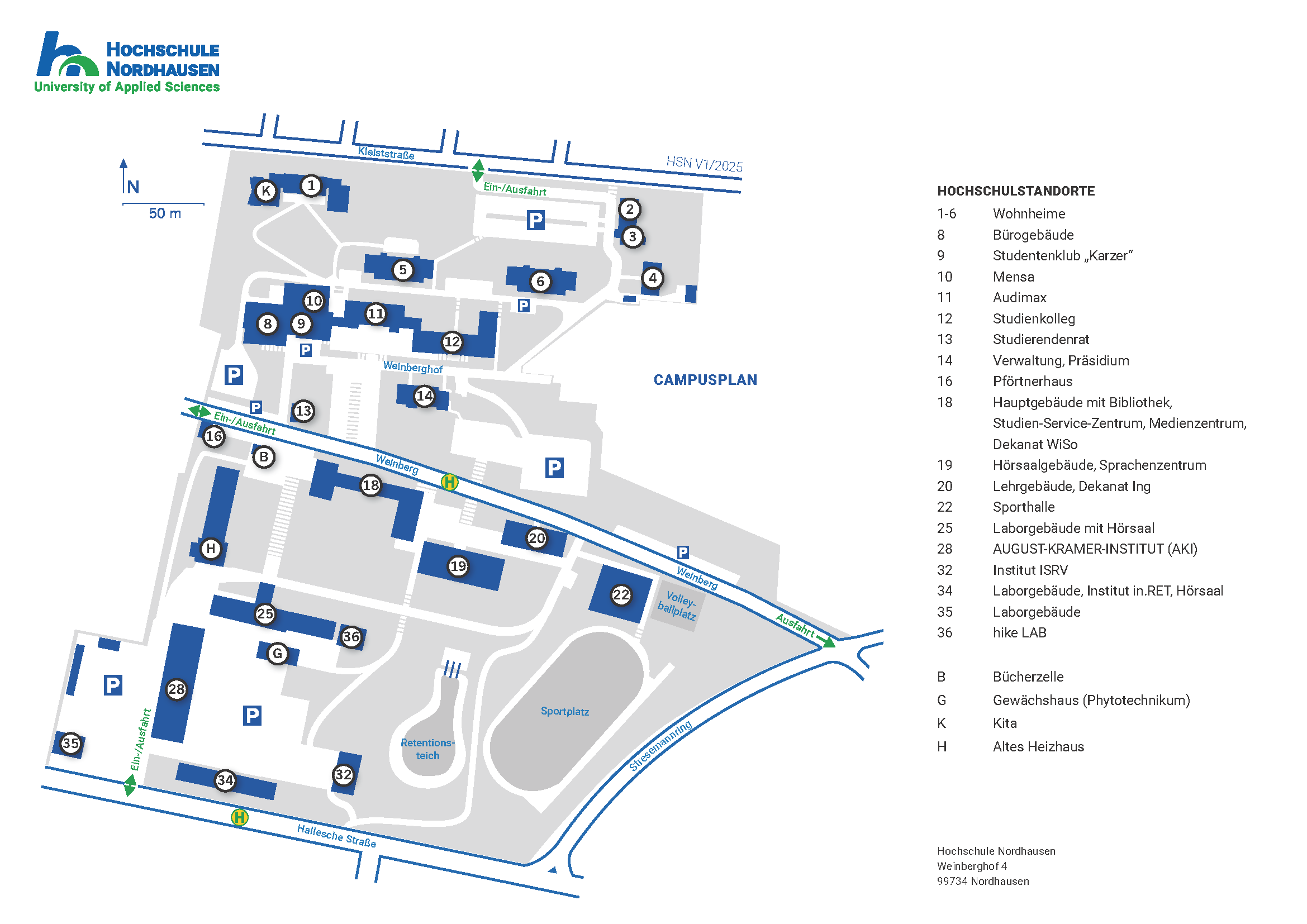
Study Service Centre
+49 3631 420-222
House 18, Level 1, Room 18.0105